Fly-tipping Rules in Hammersmith: Legal Disposal After a Move
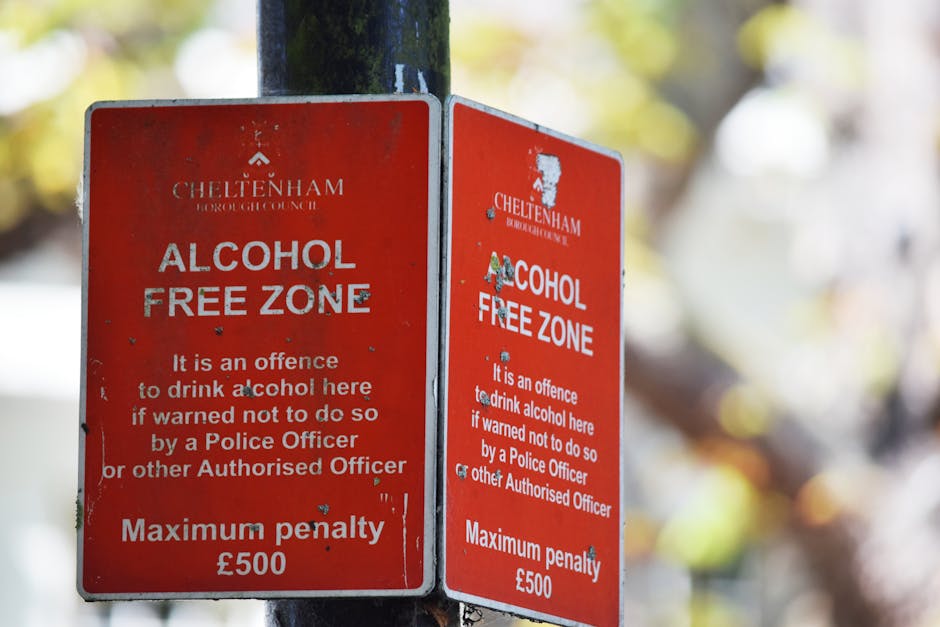
If you have just moved home in Hammersmith, the last thing you want is a pile of broken furniture, boxes, old paint tins, or a mattress leaning against a wall at dusk. Yet that is exactly where many people get caught out. Fly-tipping rules in Hammersmith are not just for obvious dumping; they also affect how you dispose of unwanted items after a move, who you hand them to, and whether the disposal route is actually lawful.
Truth be told, post-move clearance can feel messy fast. One minute you are unpacking the kettle, the next you are trying to work out what to do with the wardrobe that would not fit through the stairwell. This guide explains what counts as fly-tipping, how to dispose of items legally after a move, what mistakes to avoid, and how to keep the whole process calm, compliant, and tidy.
To make it easier to navigate, the article also covers practical steps, common pitfalls, and a simple checklist you can use before anything leaves your property.
Why Fly-tipping Rules in Hammersmith: Legal Disposal After a Move Matters
Fly-tipping is not just a nuisance. It blights streets, attracts further dumping, creates safety issues, and can leave local residents footing the bill in more ways than one. After a move, the risk often rises because people are tired, rushed, and dealing with items they no longer want. That is when shortcuts look tempting. A van driver offers to "take it away cheap", a neighbour says you can leave a sofa by the bins, or you think wrapping a few items in black bags makes it ordinary household waste. It does not.
In Hammersmith, as in the rest of London, unlawful dumping can lead to enforcement action. That may include fixed penalties or prosecution depending on the circumstances, though the exact consequences depend on who dumped the waste, what was dumped, and whether it was arranged properly. The important point is simple: if you produce the waste, you still need to think carefully about where it goes.
There is also a practical side. Legal disposal protects you from being blamed later if items are found dumped nearby. A receipt, booking confirmation, or written record can make a huge difference if questions come up. And let's face it, nobody wants to spend a sunny Saturday afternoon explaining a mystery sofa on the pavement.
For people moving home or business premises, planning disposal alongside transport is usually easier than treating it as an afterthought. Services such as home moves, man and van, and house removalists can help you move the items you are keeping, while separate arrangements may be needed for furniture that is being discarded responsibly.
How Fly-tipping Rules in Hammersmith: Legal Disposal After a Move Works
The basic idea is straightforward: waste must be handled by someone authorised to take it, and it should end up at a lawful disposal or recycling point. In practical terms, that means you should know what your items are, who is collecting them, and where they are going.
Here is the simplest way to think about it.
- Sort the items. Decide what is being reused, donated, sold, recycled, or thrown away.
- Separate regulated or awkward waste. Things like fridges, mattresses, paint, chemicals, electricals, and broken glass often need special handling.
- Choose a lawful route. Use a recognised waste carrier, a booked collection, or an approved disposal option rather than an informal handover.
- Keep a record. Save receipts, names, dates, and any collection details.
- Check the handoff. If a third party is collecting waste, you should be confident they are taking responsibility properly, not just shifting the problem somewhere else.
There is a common misunderstanding here. People often assume that once waste is in someone else's van, their responsibility ends. That is not always a safe assumption. If you hire somebody unlicensed, or if the arrangement looks suspiciously casual, you can still end up in a difficult position. The law does not reward "I thought it was fine" very much. Annoying, but true.
For larger or mixed loads, it helps to use removal support that is suited to the job. For example, a moving truck or removal truck hire may be more practical than multiple car trips, and furniture pick up can be useful when bulky items need to be removed in one go. If you are moving a workplace or clearing a commercial space, commercial moves and office relocation services are relevant because business waste often needs tighter organisation and clearer records.
Key Benefits and Practical Advantages
Following the right disposal route is not just about avoiding trouble. It actually makes the move smoother. Once you get the process right, the whole property feels lighter, and decisions become easier.
- Less risk of fines or complaints. You are far less likely to create a disposal problem that comes back to you later.
- Cleaner handover. Landlords, managing agents, and buyers usually appreciate a property that is left clear and orderly.
- Better recycling outcomes. Items sorted properly can often be reused or recycled instead of sent straight to waste.
- Less stress on moving day. You do not have to make rushed decisions at the kerbside while a van is waiting and everyone is tired.
- Clearer accountability. Paper trails and booked services make it much easier to show you acted responsibly.
There is also a quieter benefit that people often overlook: it helps your new start feel like a proper reset. A clean disposal plan means you are not carrying old clutter into a new home. Simple, but powerful. A flat that smells faintly of old cardboard and damp skirting boards is not exactly the fresh chapter anyone imagines.
If packing has become part of the bottleneck, packing and unpacking services can help reduce the chaos, especially where items need to be sorted before removal. And if you are not sure whether to keep a bulky item a little longer or get rid of it, a structured move often makes that decision much easier.
Who This Is For and When It Makes Sense
This topic matters to a lot more people than you might think. It is not just for people who are clearing out a whole house. If you have moved, you probably have some form of leftover waste to deal with.
- Home movers who have broken furniture, old bedding, or items that did not fit in the new place.
- Tenants leaving a property and wanting to avoid deductions or disputes about rubbish left behind.
- Landlords and letting agents dealing with abandoned items or end-of-tenancy clearances.
- Families downsizing who need to separate sentimental keepsakes from true waste.
- Office or retail movers who need to clear desks, chairs, packaging, and obsolete stock.
- Anyone using a man-and-van style service where the disposal arrangement needs to be clear from the outset.
It makes sense any time you are moving and the volume of unwanted stuff is awkward enough that a normal bin collection will not touch it. That usually includes the classic "just leave it by the bin" temptation. You know the one. It looks harmless for ten minutes, then somehow becomes everybody else's problem.
For many people, the right answer is to combine moving support with responsible disposal. A service like man with van can be helpful for transporting items, while separate clear-up and removal planning keeps the legal side in order.
Step-by-Step Guidance
Below is a practical approach that works well after a move. It is not glamorous, but it does save headaches.
1. Walk through the property before anything is moved
Do one final sweep room by room. Check cupboards, under beds, in loft spaces, and behind appliances. This is where stray cables, broken lamps, half-empty cleaning products, and odd bits of packaging tend to hide. If you skip this, you often end up discovering items after the van has gone.
2. Make three piles: keep, donate/reuse, dispose
Be decisive. Items that are clearly damaged or unusable should not linger in the "maybe" pile forever. Be fair to yourself, too. If something has survived three moves and still wobbles when you breathe on it, it is probably done.
3. Identify anything that needs special handling
Some materials should not be treated as ordinary rubbish. For example:
- electrical appliances
- fridges and freezers
- paint, solvents, and other liquids
- mattresses and upholstered furniture
- sharp broken materials
These items often need specific disposal arrangements. If you are unsure, treat that uncertainty seriously rather than guessing.
4. Choose a lawful collection or disposal route
Use a recognised waste collector or arrange a proper pick-up service. If you are moving a lot of household goods, the logistics may overlap with your removal plan. In that case, a combination of home moves support and disposal planning may be the neatest solution.
5. Keep evidence
Save messages, collection times, receipts, and the name of the company or person handling the items. If anything later appears dumped, you want proof of how it was handled. A quick photo before collection can also help. Not exciting, but very useful.
6. Confirm the handover is complete
When the items are loaded, check that the right items have gone and that nothing important has been left behind by accident. In busy move-outs, a box of paperwork or a charger can vanish into the "waste" pile by mistake. It happens more often than people admit.
Expert Tips for Better Results
Over the years, the easiest move clearances are the ones that were planned early. A few small decisions make a surprisingly big difference.
- Start disposal planning before moving day. If you leave it until the end, the job becomes more expensive and more chaotic.
- Label items clearly. Use tape or stickers so nobody mistakes a keep item for waste.
- Separate reusable items first. Sofas, tables, and working appliances may still have value if they are handled promptly.
- Do not mix liquids with dry waste. A leaky tin of paint can ruin the whole load.
- Use the right vehicle for the job. A small van can be fine for a few items, but larger clearances are easier with proper transport.
- Ask questions before agreeing to a collection. Who is taking it, where is it going, and what happens if something cannot be accepted?
If the move is commercially sensitive or time-critical, keep disposal and relocation separate on paper even if they happen on the same day. That is especially useful for offices, shops, and mixed-use premises. It keeps accountability neat, which is worth a lot when multiple people are involved.
Also, do not underestimate the value of a calm final hour. A slow, careful check at 5:30 p.m. can save a 7:00 a.m. panic the next day. Small win, but a real one.
Common Mistakes to Avoid
Most fly-tipping problems after a move come from a handful of predictable mistakes. Knowing them upfront is half the battle.
- Leaving items outside "for later". Even temporary abandonment can create problems.
- Using an unknown collector without checking basics. If somebody is reluctant to explain where waste goes, that is a red flag.
- Assuming the driver will sort it out. If you arranged the collection, you should still know the plan.
- Putting restricted items with normal rubbish. This can be unsafe and may breach disposal rules.
- Forgetting paperwork. No record means no easy defence if items are traced back to you.
- Trying to save time by overloading bins or street corners. That shortcut rarely stays hidden for long.
One of the biggest real-world mistakes is emotional, not practical. People get fed up at the end of a move and just want the stuff gone. Fair enough. But frustration is not a disposal strategy. Take a breath, make the call properly, and keep the chain of responsibility clear.
Tools, Resources and Recommendations
You do not need fancy equipment to dispose of waste legally after a move, but a few simple tools make the job much easier.
- Marker pens and labels for sorting keep, donate, and dispose piles.
- Strong bin bags and boxes for smaller loose items.
- Furniture blankets and straps to avoid damage during removal.
- Checklist sheets so nothing is forgotten in the final sweep.
- Phone camera to document what was removed and when.
For more complicated clearances, a little professional help can be worth it. If you want items moved quickly and carefully, moving truck options can support larger loads, while removal truck hire is useful when you need flexibility over how much space you have. For smaller, quicker jobs where a few bulky items need clearing, furniture pick up is often the more practical route.
If you are moving a workplace, it can also help to align disposal with operational planning. Office relocation services can be especially useful when desks, monitors, filing cabinets, and packaging all need to be handled with some order. Nobody wants the office kitchen to become a graveyard of half-used toner cartridges and tangled leads.
Law, Compliance, Standards and Best Practice
Because this subject touches waste handling and legal responsibility, caution matters. The safest general principle is to ensure waste goes to an authorised recipient and that you can show what happened to it. In the UK, unlawful dumping can create liability for the person who produced the waste, the person who transported it, or both, depending on the facts. That is why vague arrangements are risky.
Good practice usually includes:
- using a properly arranged collection rather than informal dumping
- checking that the person or company handling waste is legitimate
- keeping written proof of collection or disposal
- separating general rubbish from special waste
- avoiding public land, alleyways, bin stores, and pavements as temporary storage points
If you are moving from a managed property or shared building, check the local rules for communal waste areas as well. A shared bin store is not a magic escape hatch. If it is not meant for your items, leave it alone.
For business users, records matter even more. Commercial clearances should be organised with a clear trail of responsibility, especially if sensitive paperwork, IT equipment, or stock is involved. In those cases, taking a bit of time to set the disposal route properly is much better than dealing with a complaint later.
Options, Methods, or Comparison Table
There is no single best disposal method for every move. The right choice depends on volume, timing, and item type. Here is a simple comparison to help.
| Method | Best for | Pros | Watch out for |
|---|---|---|---|
| Reuse or donate | Good-condition furniture and household goods | Lowest waste, may help someone else, often fast | Not suitable for damaged or stained items |
| Booked waste collection | Mixed household waste after a move | Convenient and traceable | Needs proper arrangement and records |
| Furniture pick-up | Bulky items like sofas, wardrobes, mattresses | Saves lifting and transport hassle | Check what items are accepted |
| Man and van service | Smaller moves and flexible transport | Handy for awkward loads | Make the disposal agreement clear in advance |
| Removal truck hire | Larger clearances or full-house moves | More capacity, fewer trips | Overordering can be unnecessary |
In practice, many people use a mix. For example, keep the furniture that still works, arrange a legal pick-up for the broken chair and mattress, and use moving support for the items heading to the new address. That blend is often the least stressful option.
Case Study or Real-World Example
Here is a realistic example. A family moving out of a two-bedroom flat in Hammersmith had several items left over after packing: a worn sofa, a broken bedside table, two boxes of mixed kitchenware, and a small pile of electrical cables. The first instinct was to leave the sofa by the building bins and hope it would disappear. To be fair, people do this under pressure all the time.
Instead, they split the job into three parts. The cables and usable kitchenware were sorted out for donation or reuse. The sofa and broken table were booked for lawful furniture removal. The remaining loose items were packed into labelled bags and removed alongside the main move. They kept confirmation of the collection and took a quick photo of the cleared room before handing back the keys.
The result? No half-finished pile on the pavement, no awkward landlord conversation, and no risk of the wrong person getting blamed for dumping. The move still felt tiring, because moves always do, but it was tidy at the end. That alone changes the mood of the day.
Practical Checklist
Use this before anything leaves your property.
- Have I sorted items into keep, reuse, recycle, and dispose?
- Have I checked for special items such as paint, electrics, or mattresses?
- Do I know exactly who is collecting the waste?
- Have I confirmed where it will go?
- Have I saved a receipt, message, or booking record?
- Are any items too valuable or reusable to throw away?
- Have I avoided placing anything on the street or by the bins?
- Have I checked communal building rules if I live in shared accommodation?
- Have I photographed the cleared space if needed?
- Am I confident the disposal route is lawful and traceable?
If you can tick all ten, you are in much better shape than most people who rush this part of the move.
Conclusion
Fly-tipping rules in Hammersmith matter most when you are busy, moving, and trying to make quick decisions about things you no longer want. That is exactly when a simple plan helps most. Sort items early, choose a lawful disposal route, keep records, and avoid leaving anything in public spaces just because it feels temporary.
Handled properly, post-move disposal does not have to be stressful. It can be tidy, controlled, and surprisingly satisfying. You finish the move with a clear conscience and a clear floor, which is more valuable than it sounds.
Get a free quote today and see how much you can save.
If you want a smoother move with fewer loose ends, it can also help to plan transport and clearance together. Services like about us and contact us are useful starting points when you want to understand how support is arranged and how to ask for help in a straightforward way.
Frequently Asked Questions
What counts as fly-tipping after a move?
Fly-tipping usually means dumping waste illegally rather than disposing of it through a lawful route. After a move, that can include leaving furniture, bags, or broken items on the pavement, beside bins, in alleyways, or on land where they are not authorised to be left.
Can I leave unwanted furniture next to the bins in Hammersmith?
Not unless the property or service arrangement clearly allows it. Leaving items beside bins is a common mistake and can still be treated as unlawful dumping if they are not collected as part of an approved process.
Am I responsible if a driver dumps my waste later?
You may still face questions if you handed waste to someone without checking they were legitimate. That is why it is important to use a proper, traceable service and keep evidence of the handover.
What should I do with a mattress after moving?
Mattresses usually need a proper collection or disposal route, not a curbside drop-off. They are bulky and awkward, so it helps to arrange a lawful pick-up rather than trying to shift them informally.
Do I need proof that my waste was collected legally?
Yes, keeping proof is sensible. A receipt, booking record, email, or message trail can be useful if anyone later asks how the waste was handled.
Can a man and van service take my rubbish too?
Sometimes yes, but only if the service is clear about waste handling and lawful disposal. Do not assume every transport job includes dumping, recycling, or waste transfer.
Is it better to reuse, donate, or dispose of items after a move?
Reuse and donation are often the best first options if the item is still usable. Disposal should usually be the final step for anything damaged, unsafe, or unwanted.
What if I have paint, chemicals, or electrical items left over?
These often need special handling. Do not put them into normal waste without checking the correct route, because mixed or hazardous items can create safety and compliance problems.
How can I avoid a fly-tipping complaint after moving out?
Leave the property clear, keep records of any collections, avoid placing items outside unless formally arranged, and make sure all waste goes through a lawful channel.
Are business moves treated differently from home moves?
Often, yes in practical terms. Business clearances may involve more paperwork, more equipment, and more sensitive items, so good records and proper disposal planning matter even more.
What is the safest way to clear bulky items quickly?
A booked pick-up or a suitable removal service is usually safer than trying to improvise. For larger loads, a proper vehicle and a clear disposal plan reduce both stress and risk.
Where should I start if I am overwhelmed by post-move rubbish?
Start with a room-by-room sort, then identify the bulky or awkward items first. Once those are separated, the rest usually feels much more manageable. Small progress counts here, honestly.